

What our children They really learn.
PASEC2024, the evaluation of learning in 16 African countries, from primary to high school.
- 16 Participating countries
- 3 crossed eyes
- 20 Years of comparisons
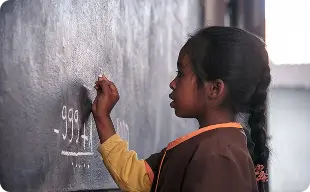
Three views. A common ambition.
To situate the acquired knowledge, understand the learning contexts and illuminate educational action.
PUBLICATIONS AVAILABLE ON OCTOBER 22, 2026
-
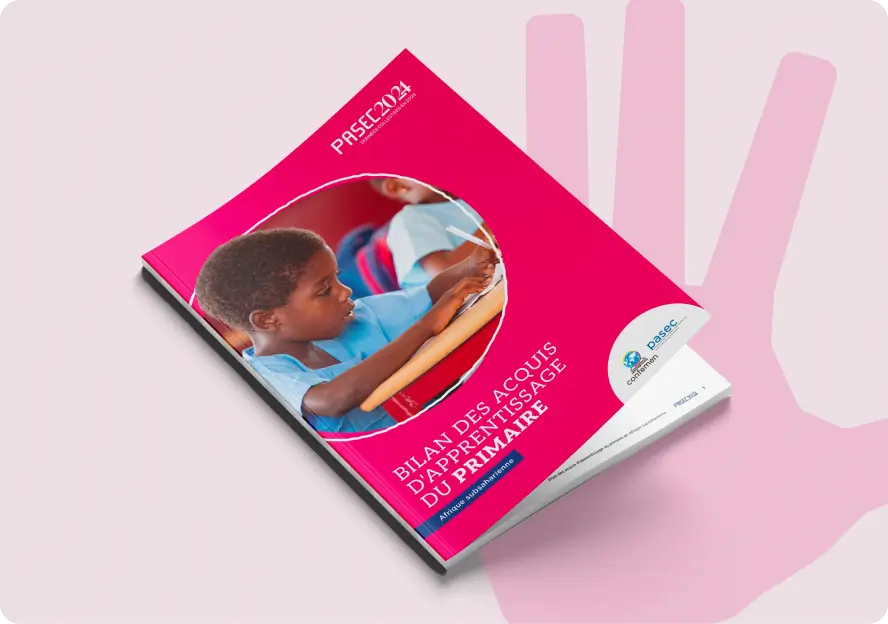 Coming soon
ELEMENTARY STUDENTS
Learning in primary school
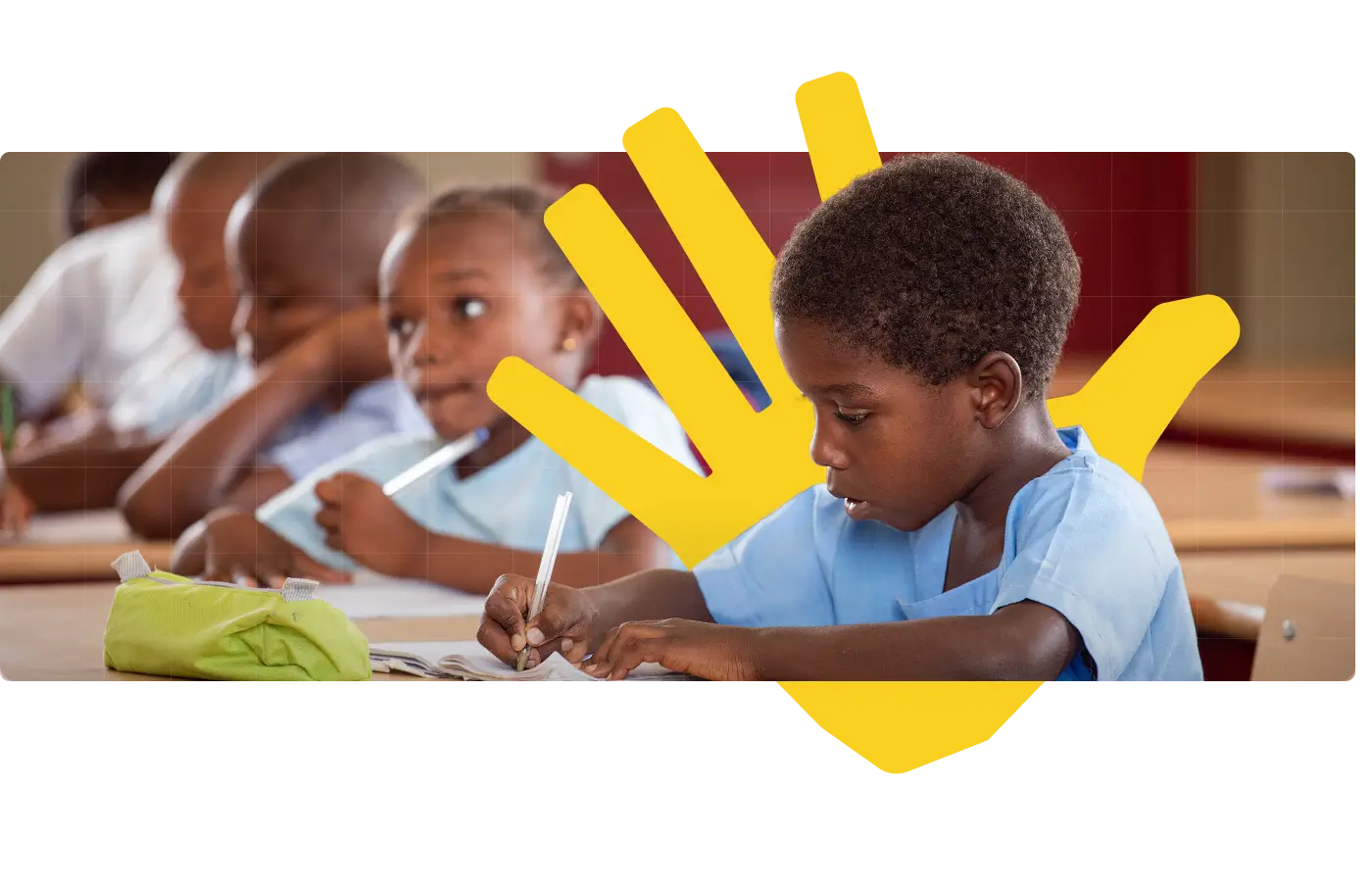
The achievements in reading and mathematics from the beginning to the end of primary school, and the factors that favor learning.
Discovering the primary relationshipComing soon!
The reports will be available after the launch.
-
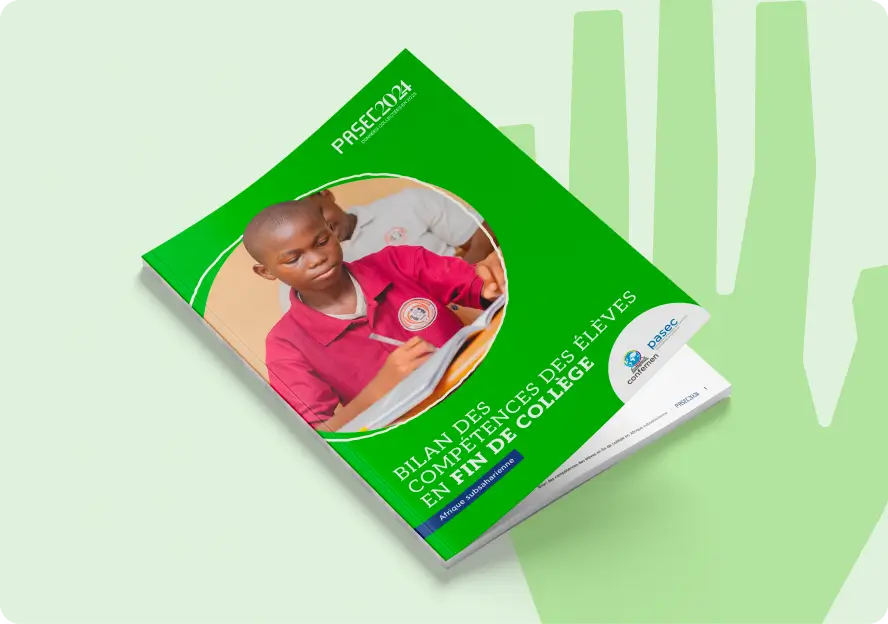 Coming soon
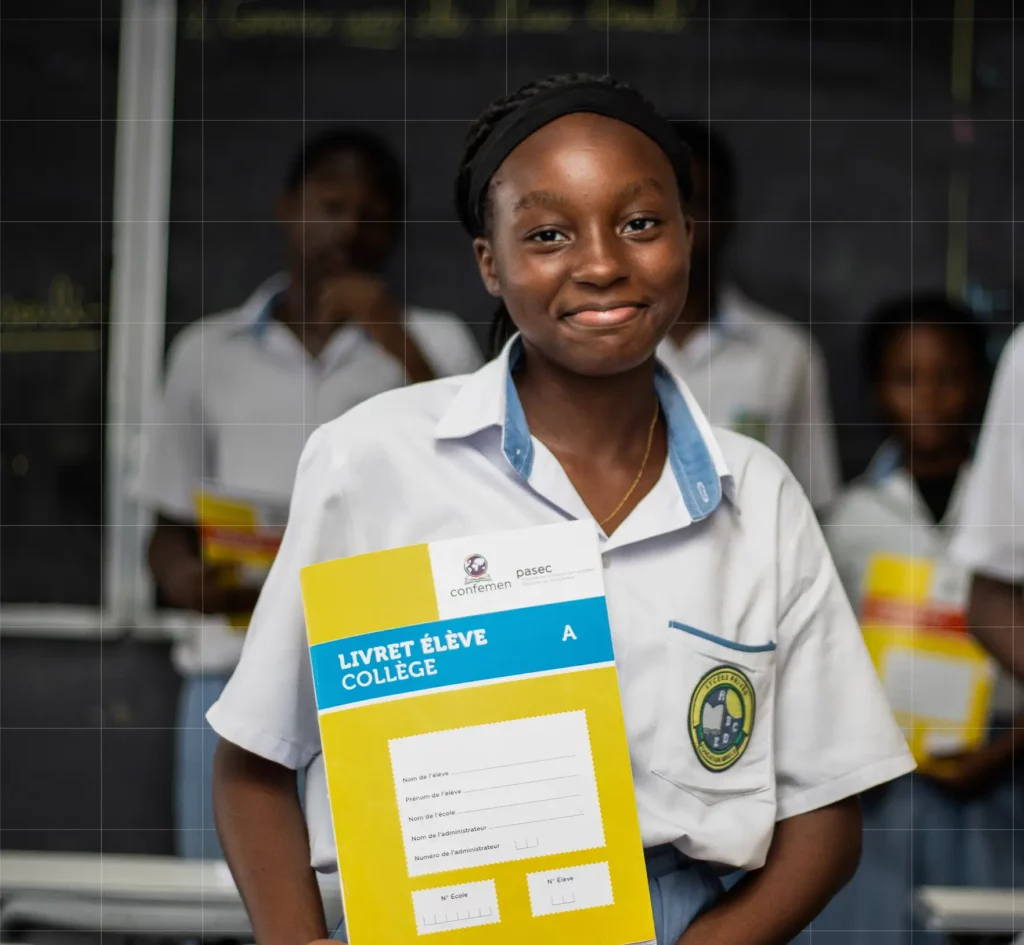
COLLEGE STUDENTS
Learning in high school
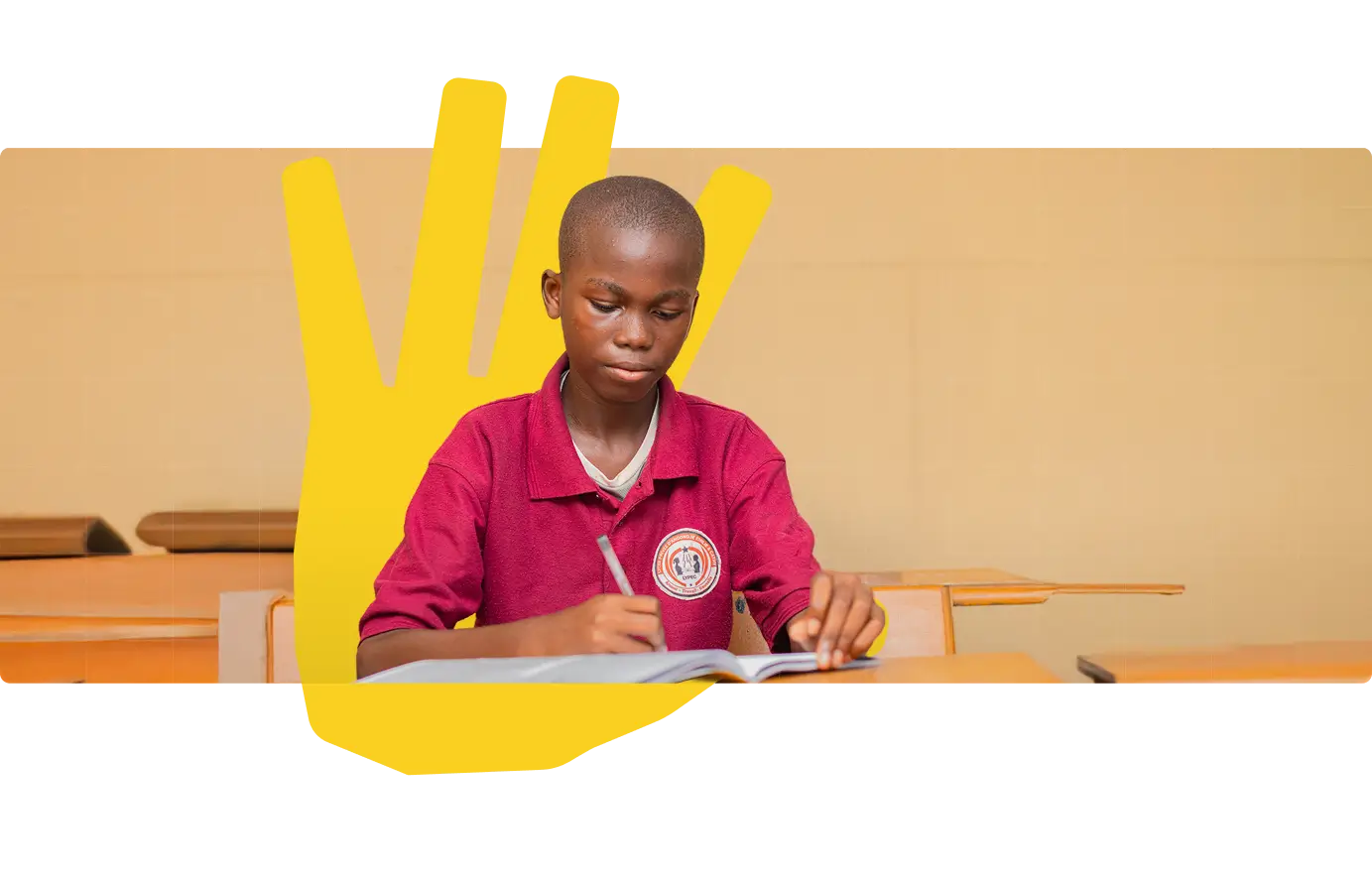
Reading and mathematics skills at the end of secondary school, to better understand the paths and conditions for success.
Discover the college reportComing soon!
The reports will be available after the launch.
-
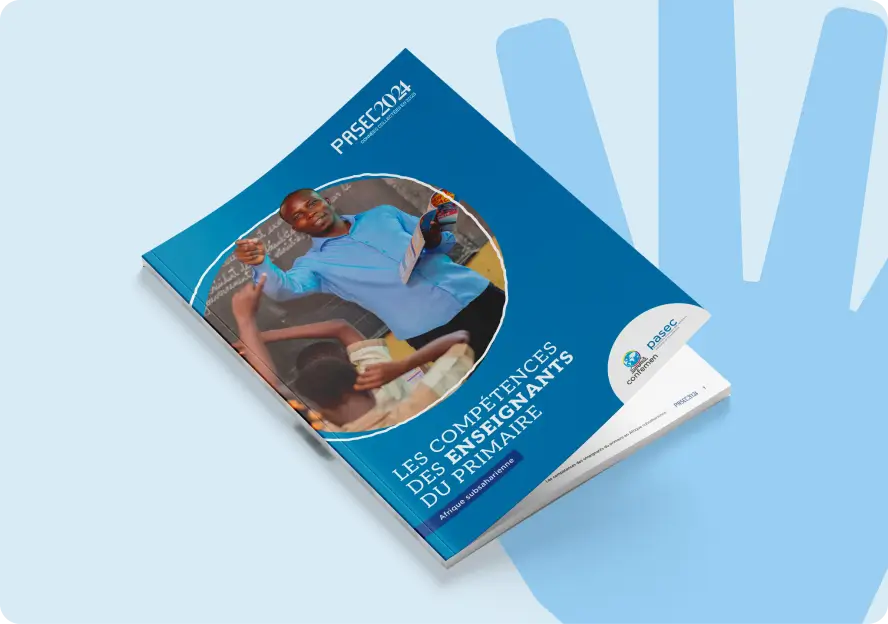 Coming soon
Teachers
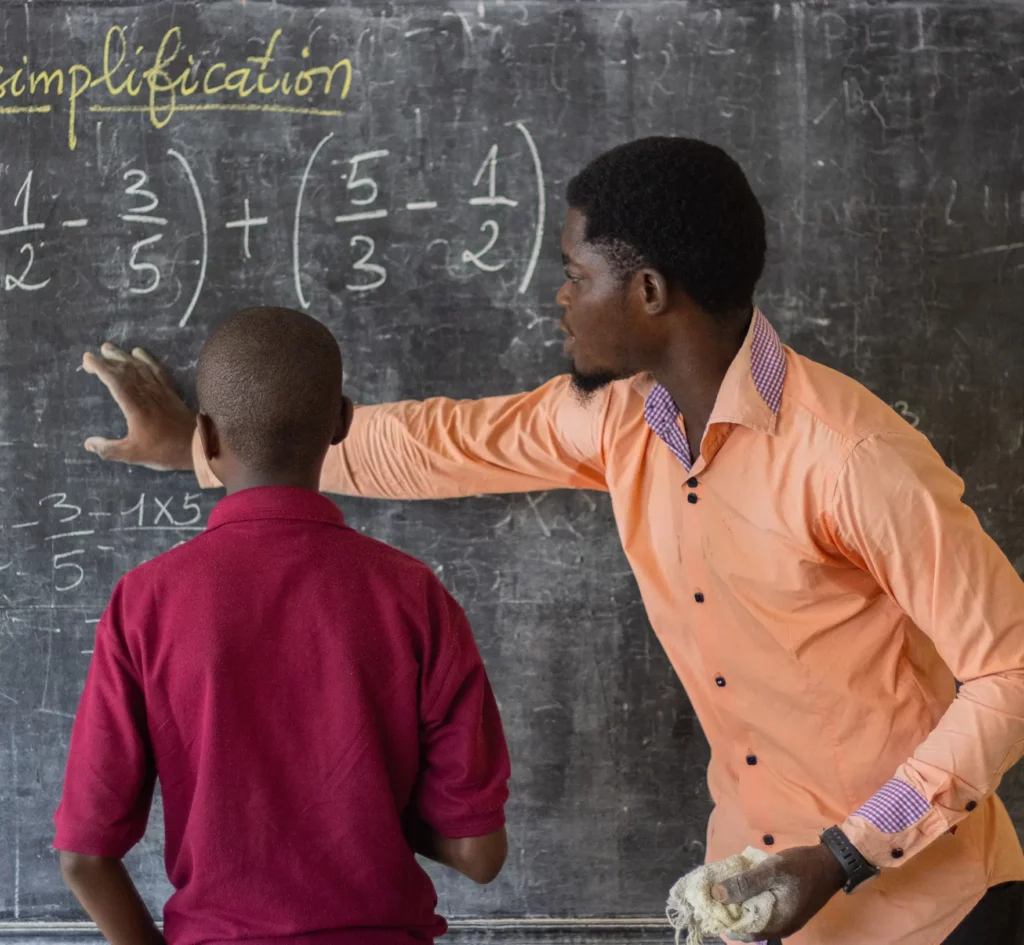
Teaching to make learning happen
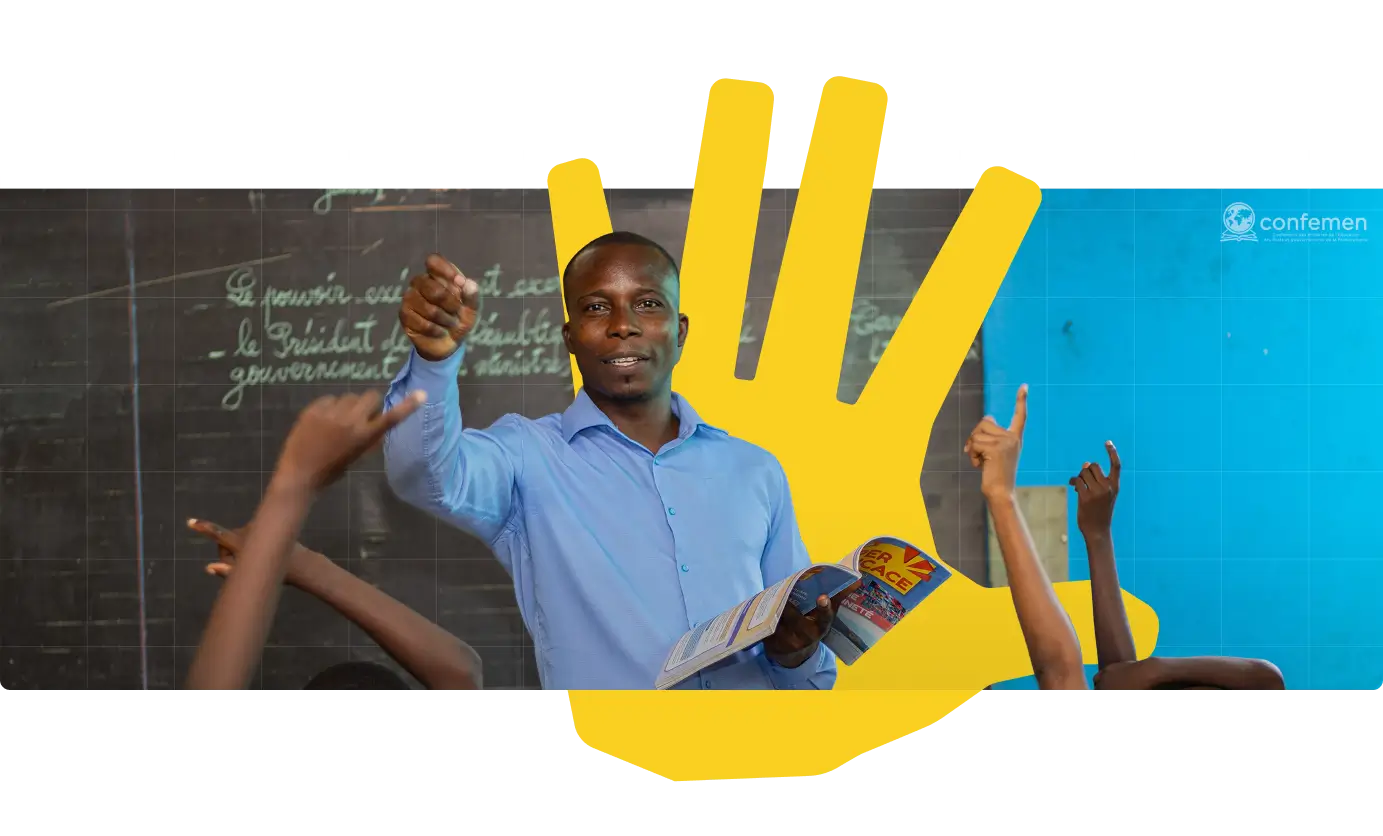
The skills, practices, and conditions of teaching to better understand what supports learning.
DISCOVERING THE REPORT WHILE TEACHINGComing soon!
The reports will be available after the launch.

THE METHOD BEHIND THE FIGURES
Discover how the PASEC2024 evaluation was prepared, implemented and monitored in the participating countries.
-
Preparing the evaluation
National Responsible Person Guide
Sampling manual -
Collecting and organizing
Instruments and procedures
Manual of classification and codification -
Controlling the data
Cleaning manual
Analyze to understand
Behind the numbers,
a path
of learning.

RESULTS
TO UNDERSTAND GUIDELINES FOR ACTION.
What can the experiences of other countries teach us? How can we understand our own progress and challenges? PASEC2024 invites us to share in the reading of educational systems.
-
Understanding the trajectories
Identify the achievements, weaknesses, and developments in their context.
-
Learning from others
Share experiences and understand under what conditions they can be useful.
-
Shining a light on the action
Transforming the findings of evaluation into guidelines adapted to the realities of each educational system.
Evaluate. Understand. To make progress.
Since 1991, PASEC has been assisting countries in evaluating learning and in exploiting the results.
-
1991
The program is taking shape
CONFEMEN creates the PASEC
to accompany the analysis of
educational systems. -
2014
An international perspective
A first assessment
International comparative study established
a common framework between countries
participants. -
2019
The teachers at the heart of it all
The cycle introduces the evaluation of
disciplinary knowledge and
didactic skills of teachers. -
2025
The field is widening
The evaluation includes the college and
continues reading the biographies
and learning contexts.
Findings to better understand the training needs and learning conditions.
Results.
Crossed eyes. Action points.
-
Discover the results
-
Crossing eyes
-
Opening up perspectives
In Dakar. And everywhere else.
Join the launch wherever you are.
The live broadcast link will be available on this page on the day of the event.

-
LECTURE
Day 1 — Full day
Access the session according to the language
-
Sessions 1 to 3
Day 2 — Parallel sessions, Room A1
Access the session according to the language
-
Sessions 1 to 3
Day 2 — Parallel sessions, Room B1
Access the session according to the language
-
PLENIÈRE
Day 2 — Plenary session: recapitulation and closing
Access the session according to the language
PASEC2024 is the third international comparative assessment of learning conducted by the Program of Analysis of Educational Systems of CONFEMEN, following PASEC2014 and PASEC2019. It measures the achievements and competencies of students in language/reading and mathematics at key stages of their schooling, as well as the knowledge and skills of primary school teachers. Through standardized tests and context questionnaires, it allows for the analysis of the quality and equity of educational systems and provides evidence-based data to guide educational policies. Its main collection took place in 2025.
The PASEC2024 cycle mobilized 16 countries: Benin, Burundi, Cameroon, Congo, Côte d’Ivoire, Djibouti, Gabon, Guinea, Guinea-Bissau, Madagascar, Mali, Nigeria, São Tomé and Príncipe, Senegal, Chad and Togo. The survey involved 364,313 respondents (students in the beginning and end of primary school and, for the first time, at the end of high school). It also involved primary school teachers, secondary school teachers, school administrators and parents of students, who were interviewed for the first time.
The primary report examines the achievements in language/literacy and mathematics at the beginning and end of the cycle, learning disparities and their evolution in countries comparable to previous editions. The secondary report provides an initial international PASEC measure of students’ skills at the end of the first cycle of secondary education, particularly in reading and mathematics. The primary report examines teachers’ disciplinary and didactic knowledge, their characteristics, and their professional environment. Together, these three perspectives shed light on students’ achievements, inequalities, and levers for improving education. The executive summaries and summaries for public policy facilitate their appropriation.
No. The primary objective of PASEC2024 is not to establish a ranking. The reports present scores, levels of proficiency, and comparisons between educational systems, but these results must be interpreted with their uncertainties and national contexts. The main challenge is to understand where difficulties and progress lie, what inequalities persist, and what action paths can improve learning. Comparisons over time are relevant only for countries, populations, and areas that are methodologically comparable.
The international PASEC2024 results will be officially presented on October 22 and 23, 2026, in Dakar, Senegal. The three international reports — primary, secondary, and teachers — as well as their summary documents are intended to be made available on the PASEC website on the occasion of the launch, according to the approved publication schedule. National reports, technical documents, additional analyses, and public policy notes will gradually enrich this documentation. Please consult the dedicated section of the mini-site and the PASEC2024 page on the website to access the available publications.
The launch of the results will take place on October 22 and 23, 2026 in Dakar and will be broadcast live on YouTube. Broadcasts are planned in French, English and Portuguese, with separate access depending on the language and, on the second day, according to the thematic sessions. The detailed program and registration links to participate online are available from the official launch page. Remote participation will allow for following the presentations and exchanges without having to travel to Dakar.
The results are primarily addressed to the ministries of education, public decision-makers and those responsible for managing educational systems. They are also useful to teachers, trainers, school leaders, researchers, universities, technical and financial partners, civil society organizations, the media and families. They enable the public debate to be informed, interventions to be targeted, and the design, implementation and follow-up of educational reforms to be supported. The results provide decision-making assistance, and not uniform prescriptions applicable to all countries.
The next international cycle is PASEC2028. The PASEC2028 evaluation will be a major step for countries that want to have reliable, comparable, and contextualized data on the quality of learning. This last major evaluation before the Global Education 2030 assessment will measure real progress, equity, and quality of learning, while consolidating the achievements of the 2014, 2019, and 2024 cycles. It will also allow assessing the resilience of educational systems to potential shocks, whether health, security, climate, or economic. Its preparation has been underway since the beginning of 2026, with the development and adaptation of the evaluation instruments in 2026–2027. The main collection is planned for 2028, subject to adjustments to the operational schedule, with a possible delay in 2029. The production of the reports is planned to begin in 2029, and their dissemination and the accompanying use of the results would continue until around 2030.
For more information: https://pasec.confemen.org/fr/resultats/pasec2028

A program from CONFEMEN
Data to illuminate education.
PASEC assists countries in evaluating learning outcomes, understanding them, and using them to inform educational policies.
Three sections to better understand the results of the evaluation and their lessons for educational systems.